
GHG Inventory Management
A science-based approach enables precise calculation, real-time measurement, and accurate reporting of greenhouse gas (GHG) emissions—critical for tracking progress toward decarbonisation and achieving net zero goals.



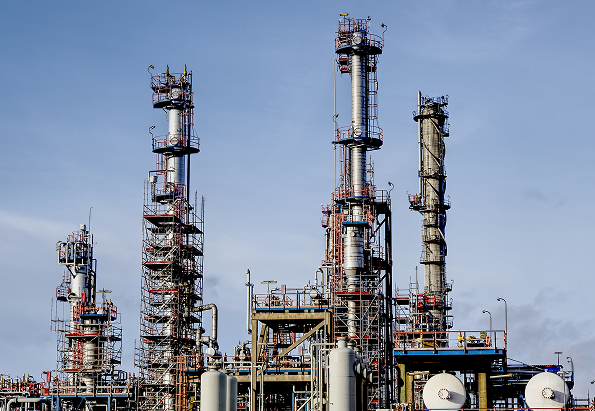
Embedding Emission Management into core operations…
is about integrating carbon management into everyday business activities and capturing emissions data at a detailed, operational level. As greenhouse gas (GHG) reporting standards align more closely with financial accounting, accurate and auditable emissions data is becoming essential for compliance, transparency, and decision-making.
To support this shift, we introduce a structured approach built around Sustainable Emission Reductions (SERs)—a framework for identifying, measuring, and maintaining meaningful emission cuts. SERs help organisations embed sustainability into core operations, link carbon performance with business outcomes, and drive continuous improvement in their net-zero journey.
What are Sustainable Emission Reductions?
SERs are defined as measurable and permanent reductions in direct and/or indirect GHG emissions resulting from deliberate actions or
interventions within business operations. These interventions lead to ongoing emissions reductions that would not have occurred otherwise.
An SER typically follows a three-part process:

Intervention
Implementing a change in process, technology, or behavior
Measurement & Reduction
Quantifying the emissions reduction achieved
Permanence
Ensuring the reduction is sustained over time
Why SERs Matter
As global momentum toward net zero and low-carbon economies increases, SERs have gained elevated significance. They:

Demonstrate proactive climate action
Provide verifiable evidence of GHG reductions
Strengthen ESG reporting and compliance credibility
Support alignment with international carbon accounting and assurance standards
GHG Emissions: Inventory Quality Management
We support organisations in building robust GHG data governance procedures that ensure the accuracy, credibility, and integrity of greenhouse gas (GHG) accounting and reporting.
Our approach focuses on helping your teams manage the quality and reliability of your GHG inventory through practical, scalable practices.
We enable your organization to identify data risks, implement preventative controls, and embed critical data interrogation skills across all functions involved in the collation, calculation, consolidation, and communication of GHG data.
Our Methodologies includes
We also help businesses accurately calculate, measure, track, and report Scope 1, 2, and 3 emissions at a granular level—laying the foundation for trustworthy ESG disclosures and effective decarbonisation strategies.
Application of GHG Accounting Principles
Ensuring consistent, transparent, and verifiable data aligned with international standards (e.g., GHG Protocol).
Practical GHG Data Management Considerations
Tailoring processes to your operations and resource capabilities.
Risk Identification
Highlighting areas where data quality is vulnerable, from activity data to emissions factors.
Process and Procedure Design
Recommending best-fit controls, tools, and workflows to reduce risk and improve traceability.
GHG Data Error Detection
Training your teams in error identification methods—from basic sense checks to detailed audits.
Science Based Targets Benchmarking
We show businesses how much and how quickly they need to reduce their greenhouse gas (GHG) emissions to prevent the worst effects of climate change.